Overline
The Smoke Photography Process: What Goes Into Creating a Photography Smoke Session
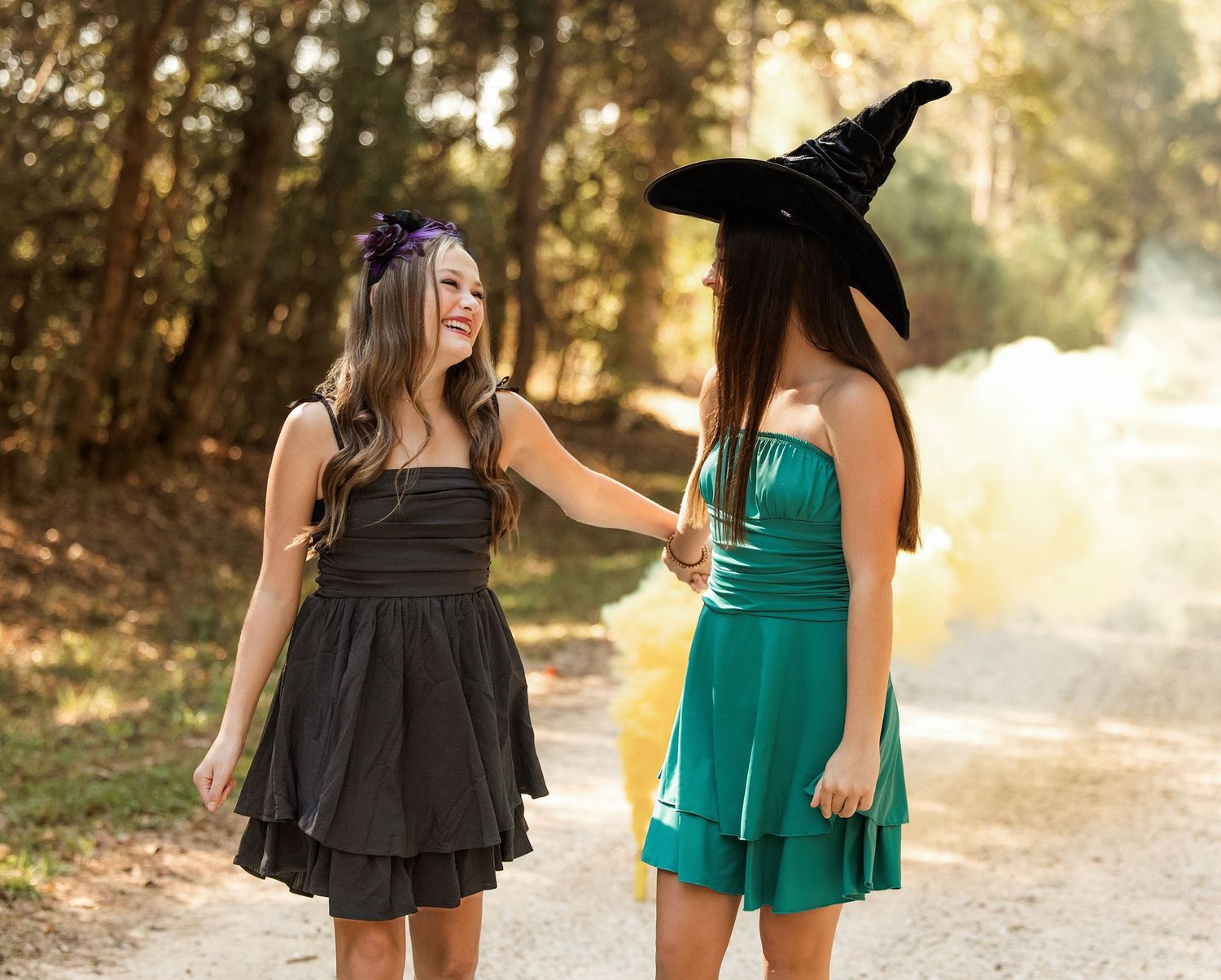
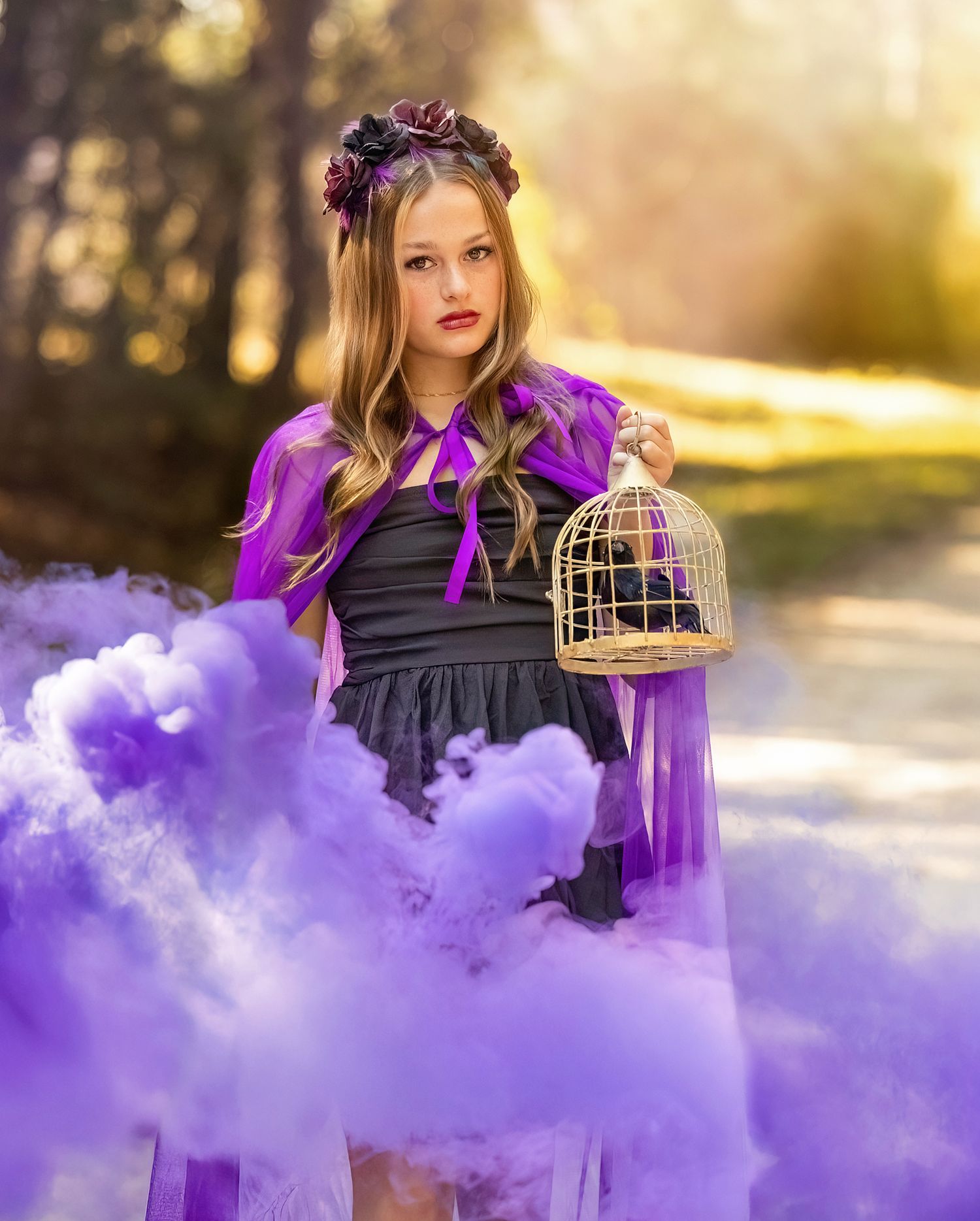
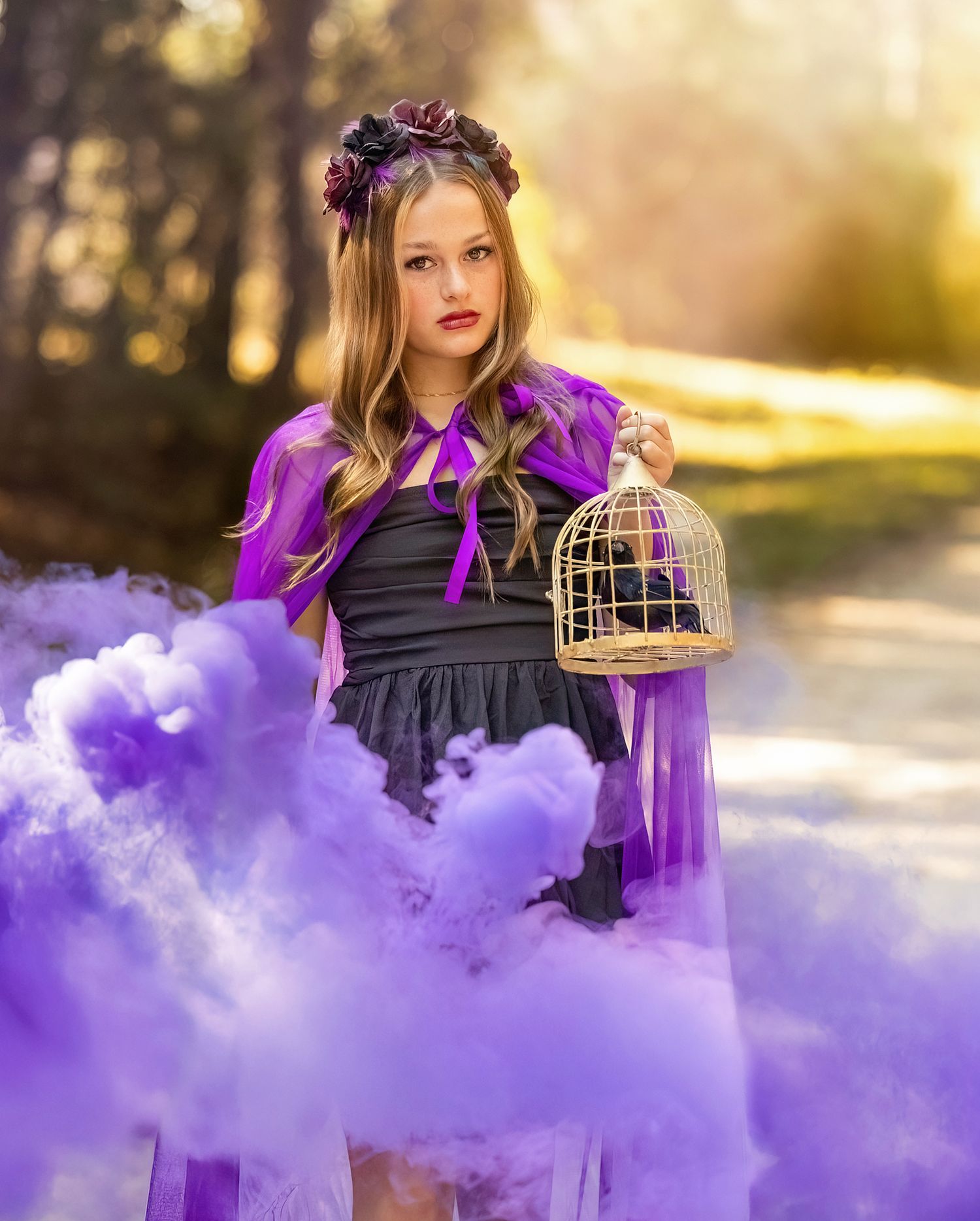
Smoke photography looks effortless in the final image — bold light, dramatic motion, and atmosphere that feels cinematic and powerful. But behind every successful smoke session is careful planning, technical control, and intentional decision-making. This style of session is very different from a traditional photoshoot, and understanding the process helps explain why the results are so striking.
Location + Light Choices Matter
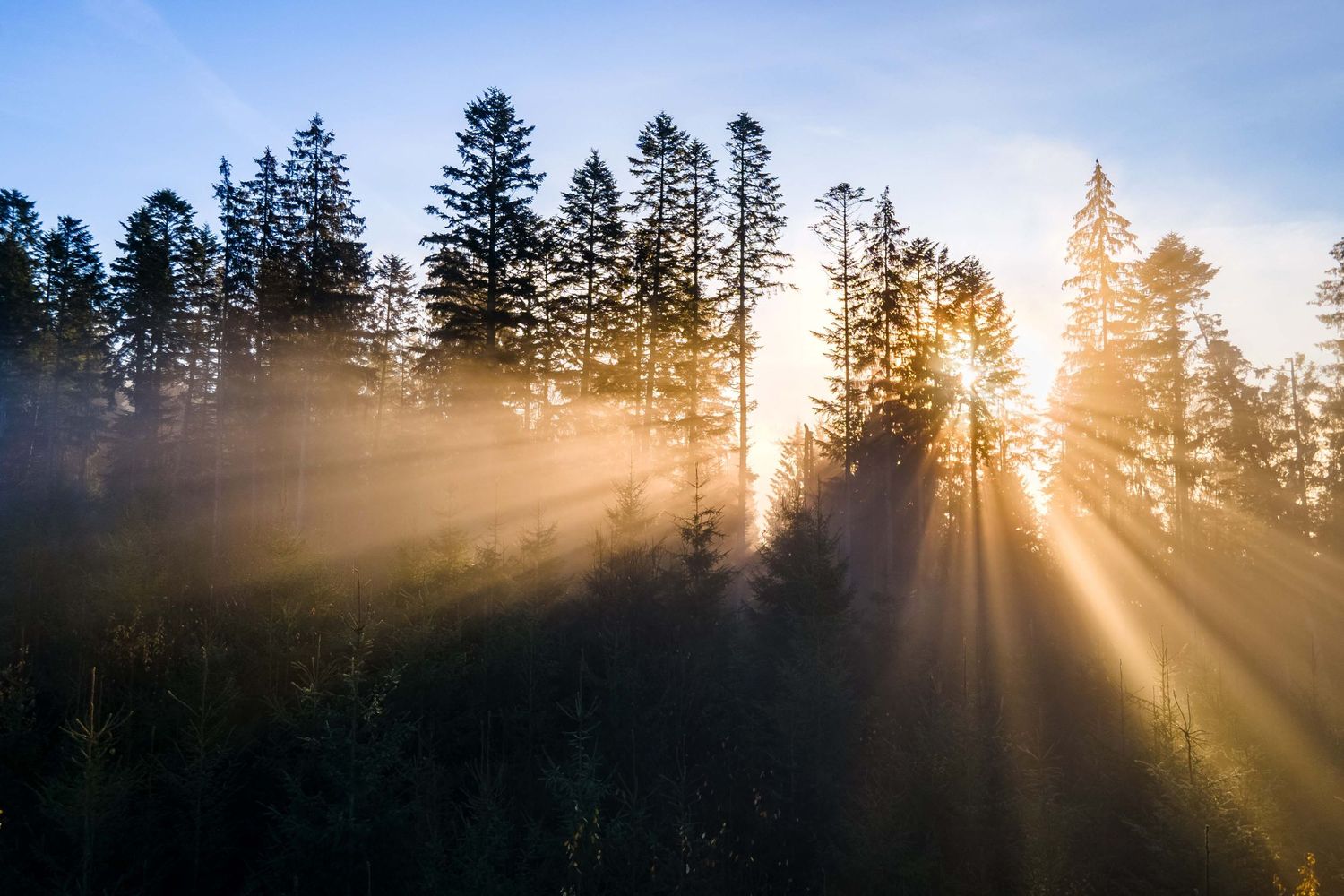
One of the most important elements of a smoke session is location. Not every space works. The goal is to find an area where natural light can flow through the smoke, creating depth, texture, and separation. When light hits smoke the right way, it becomes visible, layered, and dynamic rather than flat or muddy.
Light direction is key. Backlighting and side lighting help define the smoke’s movement and shape, while controlled shadows add mood and drama. This combination creates images that feel cinematic and intentional — not staged or forced.
Wind Control is Essential
Every location is selected with light in mind first, then style, safety, and space to allow movement.
Smoke sessions rely on control, and wind is the biggest factor that can work against that. Too much wind causes smoke to disperse too quickly, lose density, or move unpredictably. When that happens, the smoke no longer frames the subject — it disappears. Timing, weather awareness, and patience all play a role in making sure the smoke behaves the way it needs to.
Smoke Session Planning Check List
- Lighting must be planned specifically for smoke interaction
- Location must allow light to move through the atmosphere
- Weather conditions must cooperate
- Movement is just as important as posing
- Timing matters — every frame is intentional
Good Luck and remember to have FUN!!!